The Right Hotel Changes the Whole Trip — Here's Why It Matters
The right hotel doesn't just give you a place to sleep — it shapes how your entire trip feels. Learn what most travelers get wrong when booking, and why it's worth getting expert help to get it right.
HOTELSLUXURY HOTEL

The Right Hotel Changes the Whole Trip
The internet has made it easier than ever to book a hotel. It has also made it easier than ever to book the wrong one with tremendous confidence.
The sheer volume of properties, reviews, and booking platforms creates the illusion of good information while burying the actual signal. Anyone can spend two hours comparing options and still land somewhere disappointing because they didn't know what questions to ask, didn't have access to the right properties, or didn't realize that the hotel they chose has a reputation in the industry that its public reviews don't fully reflect.
This is exactly where working with a travel advisor pays for itself.
A good travel advisor knows which hotels consistently deliver and which ones are coasting on outdated reviews. They know the rooms to request and the ones to avoid. They have access to rates, upgrades, and amenities that aren't available through public booking channels. And they know enough about how you travel to make a recommendation that actually fits — not just one that looks good on paper.
The hotel is not the supporting character in your trip. It's the base camp. Everything you do on the ground is shaped by whether it's working for you or against you.
If you're planning a trip and want a hotel that genuinely serves the travel you have in mind, reach out. This is one of the most meaningful things I do as a travel advisor — and it's the part my clients are most grateful for when they get back home.
Location Is Not Just a Map Pin
You've done the hard part. You've chosen the destination, booked the flights, mapped out what you want to see. The hotel? You figure you'll sort that out. You're not going to be in the room that much anyway.
This is the most common — and most expensive — mistake independent travelers make.
The hotel is not just where you sleep. It is the physical and emotional center of your trip. It's where you decompress after an overstimulating day, where you start the morning before the city wakes up, where you go when something goes sideways. Get it wrong, and even the best itinerary in the world starts to feel like work. Get it right, and it quietly elevates everything around it.
Here's what most travelers don't think through until they're already standing at the check-in desk.
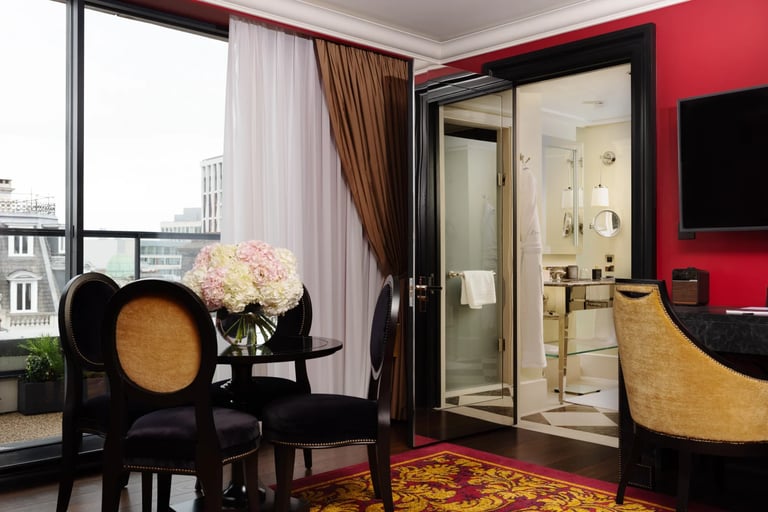
L'oscar London ; Duplex Suite; Provided by Partner
Stars, Ratings, and Price Are Not the Same as Fit
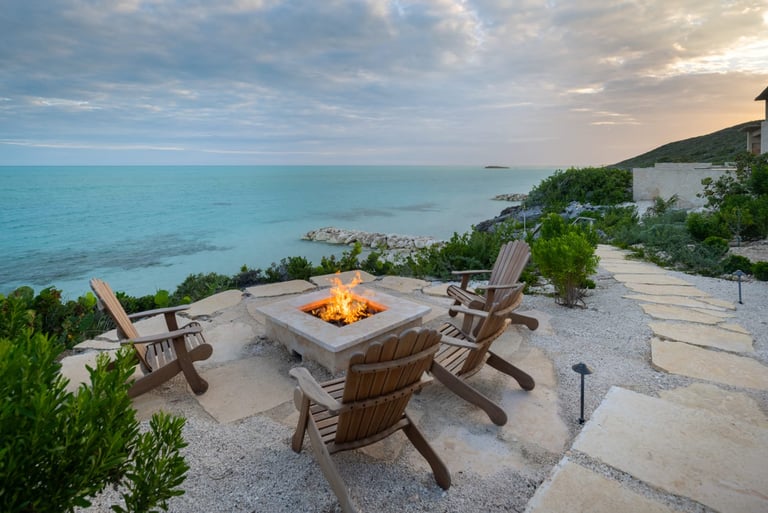
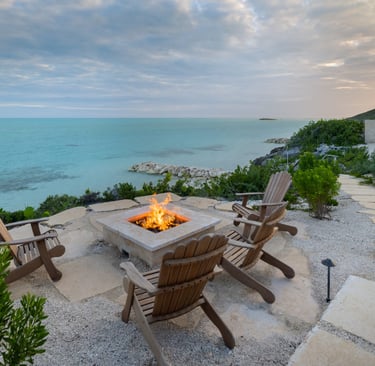
The Strand Turks & Caicos; Photo Provided by Partner
When people say they want a hotel "centrally located," they mean something different depending on the trip. Central to what? In a city like Paris or Rome or Bangkok, being one neighborhood off isn't an inconvenience — it's a fundamentally different trip. The hotel that looks perfectly positioned on a map might be on the wrong side of a river, a thirty-minute cab ride from the things you actually want to do, or technically in the right arrondissement but on a block that feels nothing like the city you came to experience.
There's also the question of what surrounds the hotel that no map thumbnail will tell you. A travel writer for Fodors shared a story that's almost too painful to read: she booked a family vacation hotel in Greece for herself and her young children, chose it based on location and ratings, and arrived to discover — at two in the morning on their first night — that it was a popular spring break destination for European college students. Years later, she wrote that she was still catching up on sleep. Had she dug into recent reviews filtered by travel type and time of year, she would have seen it coming and chosen differently.
This is not a fringe story.
It's a pattern.
Hotels change.
Neighborhoods change.
A property that earned great reviews two years ago may now sit next to a construction site that starts at 7am. A hotel that's serene in March can be a different place entirely in July. The information exists to make the right call — but it takes knowing exactly what to look for and how to read what you find.
The Intangibles Are the Point
A five-star hotel in the wrong location is still the wrong hotel. A boutique property with a four-star rating and a micro-mattress and no elevator is the wrong hotel if you're arriving with two suitcases and bad knees. The industry's rating systems measure certain amenities and service standards — they say almost nothing about whether a property is right for you on this trip.
What actually determines fit is a more personal calculation. A couple celebrating an anniversary needs something different from a solo traveler who wants to explore at odd hours. A trip built around active outdoor days needs a hotel that doesn't mind you showing up muddy and exhausted at four in the afternoon. A business trip layover needs blackout curtains, fast Wi-Fi, and an iron that actually works. A wellness retreat needs the thing that a reviewer captured perfectly: quiet corridors, no street noise, and "the first time I've come back from a trip actually feeling refreshed."
None of this is captured in a star rating. And none of it is obvious from the photos on a booking platform, which are professionally lit and often taken with a wide-angle lens that makes a three-hundred-square-foot room look like a suite.
The right hotel for this trip is not the most expensive one, not the most reviewed one, and not the one that looks best on Instagram. It's the one where every practical detail supports the kind of travel you're actually doing — and that match requires knowing both the property and the traveler well enough to put them together correctly.
You Should Have Help With This
Here's what no algorithm surfaces: the feeling of a hotel. Whether the lobby smells right when you walk in. Whether the light in the room is warm or fluorescent. Whether the staff greets you like a person or processes you like a transaction. Whether the bed is the kind you sink into or the kind you endure.
These things sound soft. They are not soft. They are the actual architecture of how a trip feels.
The hotels that travelers return to — the ones that show up in reviews as "the highlight of the whole trip" or "the only part I'd do the same way again" — earn those descriptions because they got the intangibles right. A concierge who books you a last-minute table at a restaurant you couldn't have found on your own. A staff member who remembers your name by the second morning. A room with a view that makes getting dressed feel like a luxury. These details don't happen by accident. They happen at specific properties with specific cultures, and knowing which properties actually deliver on them requires information that lives outside the booking platforms.
There's also the question of what a hotel enables beyond its walls. The right hotel tells you where to go for breakfast before the tourists arrive. It knows the museum is packed on Tuesday mornings and quieter on Thursday afternoons. It can get your reservation at the place that doesn't take reservations. A good hotel is not just a room — it's a local advantage.
Unhurried routes for the culturally curious.
Reach out
kandis.jones@fora.travel
The world awaits you schedule a consult.
London — Greece— Aruba
© 2026 Soil & Soul Travel Co.-Solo travel for the intentional mind.
Soil & Soul Travel Co.